

When you own a home, you know keeping your space comfortable can come at a cost. The chill of winter mornings can send you straight to the thermostat, while summer afternoons have you blasting the AC. But what many homeowners don’t realize is that your windows may be the biggest contributor to the problem.
Sunlight, drafts, and temperature fluctuations all move through your windows—causing energy loss, discomfort, and rising utility bills. If you’re noticing uneven temperatures or struggling to stay comfortable, your windows are likely the reason.
How Energy Loss Happens at Your Windows
Did you know that up to 30–40% of your home’s energy can be lost through windows? Even properly sealed windows can allow heat to move in and out of your home.
In warmer months, sunlight enters through the glass and heats your interior spaces. In cooler months, warm air escapes through the same surface. This constant transfer forces your HVAC system to work harder than necessary.
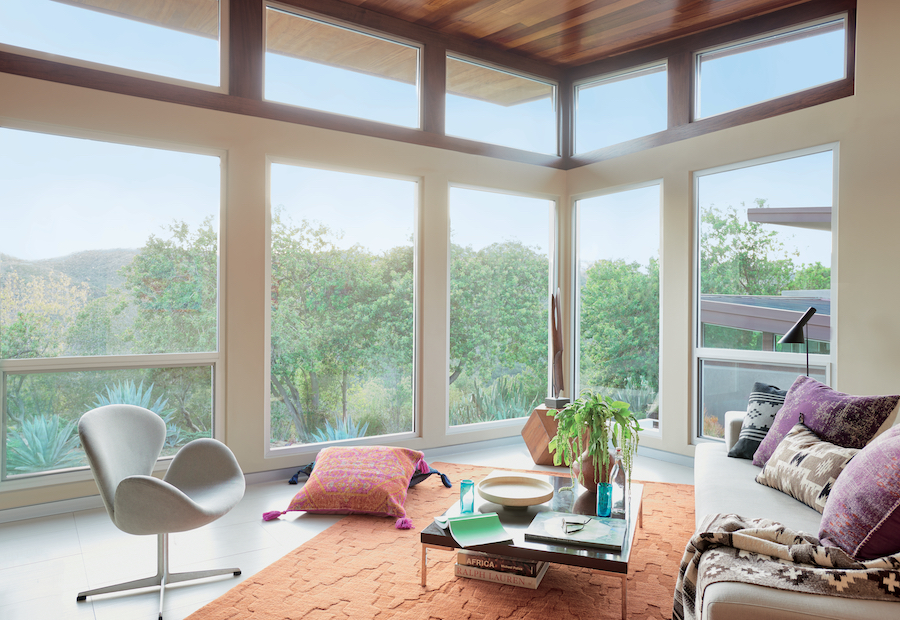
Without the right window coverings, even the most beautiful windows can increase energy bills and reduce overall comfort.
The Real-Life Impact of Energy Loss
Energy loss isn’t just about your monthly bill—it affects your daily life. Do you find your family constantly adjusting the thermostat? Are certain rooms too hot or too cold depending on the time of day? Do you struggle with glare while working or relaxing?
These are all signs that your home isn’t properly protected from heat transfer. You may also notice fading furniture or flooring, which is often caused by prolonged sun exposure. Learn more about protecting your home from UV damage.

If you’re experiencing constant temperature swings, poor sleep, or uncomfortable glare, it’s time to address the root of the issue.
How to Reduce Energy Loss at the Window
The most effective way to reduce energy loss is by creating a barrier at your windows. Window treatments help regulate how much heat and light enters your home—improving comfort while reducing energy use.
For a complete breakdown of solutions, visit our energy-efficient window treatments page.
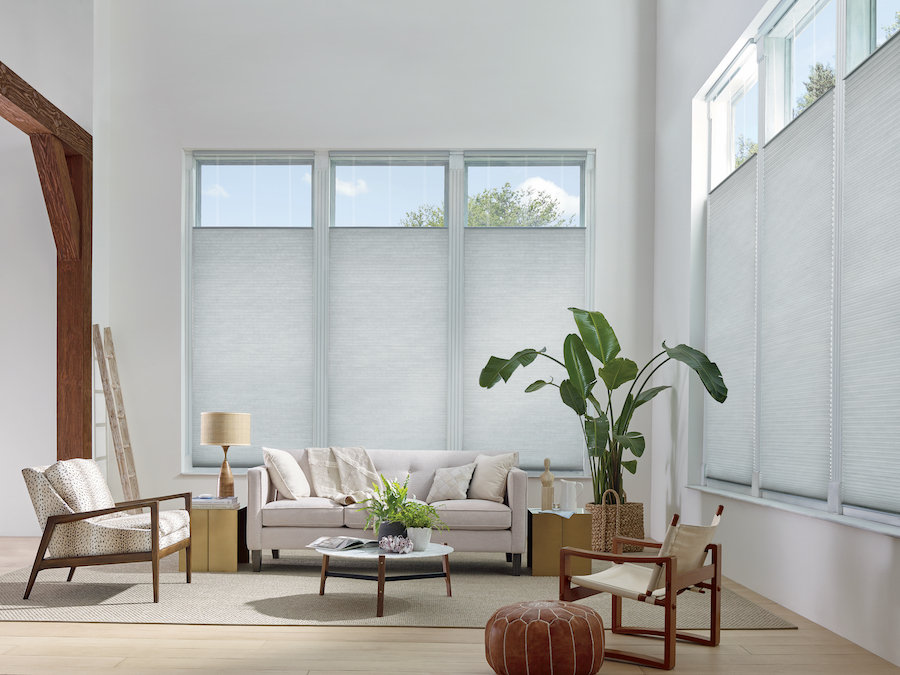
Balancing Light, Heat & Comfort
Different areas of your home experience sunlight differently throughout the day. Managing energy loss isn’t just about blocking heat—it’s about controlling when and how light enters your space.
- Morning sunlight can naturally warm your home
- Closing shades during peak heat helps maintain cooler temperatures
- Covered windows reduce drafts and temperature fluctuations
Strategies like top down bottom up shades allow you to bring in light while maintaining insulation and privacy.
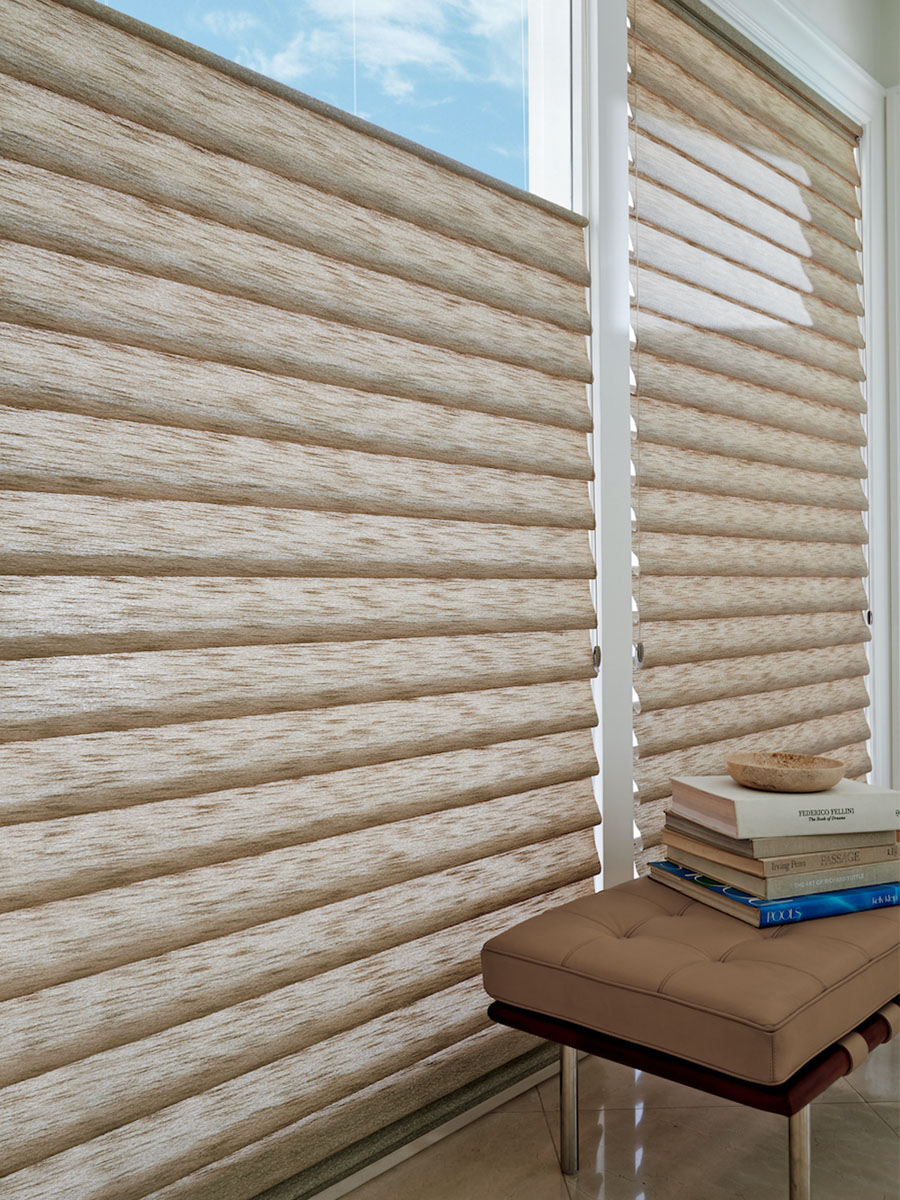
Comfort Goes Beyond Temperature
While reducing energy loss helps lower utility bills, the biggest benefit is how your home feels. A well-balanced space includes comfortable temperatures, reduced glare, privacy, and controlled natural light.
If glare is part of your issue, explore our guide on how to reduce glare with window treatments. If your home tends to overheat, you may also benefit from learning how to keep your home cool during warmer months.
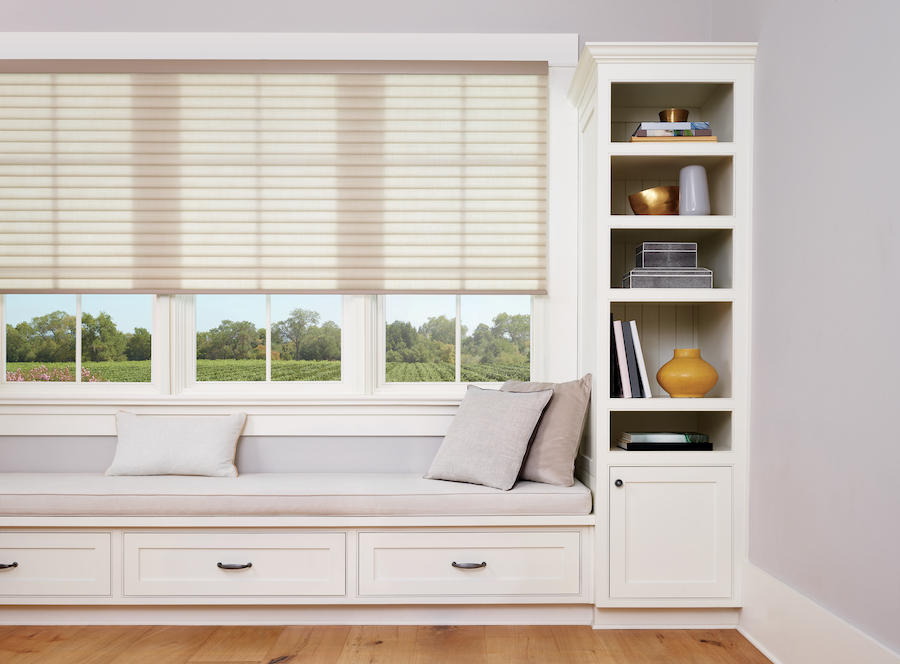
Take Control of Energy Loss in Your Home
Your home should feel comfortable year-round—not like a constant battle with temperature and light. By addressing energy loss at the window, you can improve comfort, reduce glare, and lower your energy costs.
Contact our team at California Window Fashions to schedule your free in-home consultation and discover the right solution for your space.
