

We all know how summers in Northern California can be uncomfortably hot. Sunlight pouring through your windows doesn’t just brighten your home—it can quickly raise indoor temperatures, create glare, and increase energy costs. But what many homeowners don’t realize is this: your windows are one of the largest sources of heat gain and energy loss in your home.
Understanding how heat moves through your windows—and how energy saving shades work to control it—can make a dramatic difference in your comfort year-round. If you’re looking for specific product recommendations, visit our energy-efficient window treatments page to explore solutions designed for your home.
How Heat Enters and Moves Through Your Home
If your home feels warmer than it should—especially near windows—heat transfer is usually the reason. Understanding how this works is the first step in improving comfort and reducing energy use.
See Energy Loss in Real Time
The infrared image below shows how energy moves through a home. Areas highlighted in red indicate heat loss and heat gain—most commonly at windows and doors where there is little insulation.
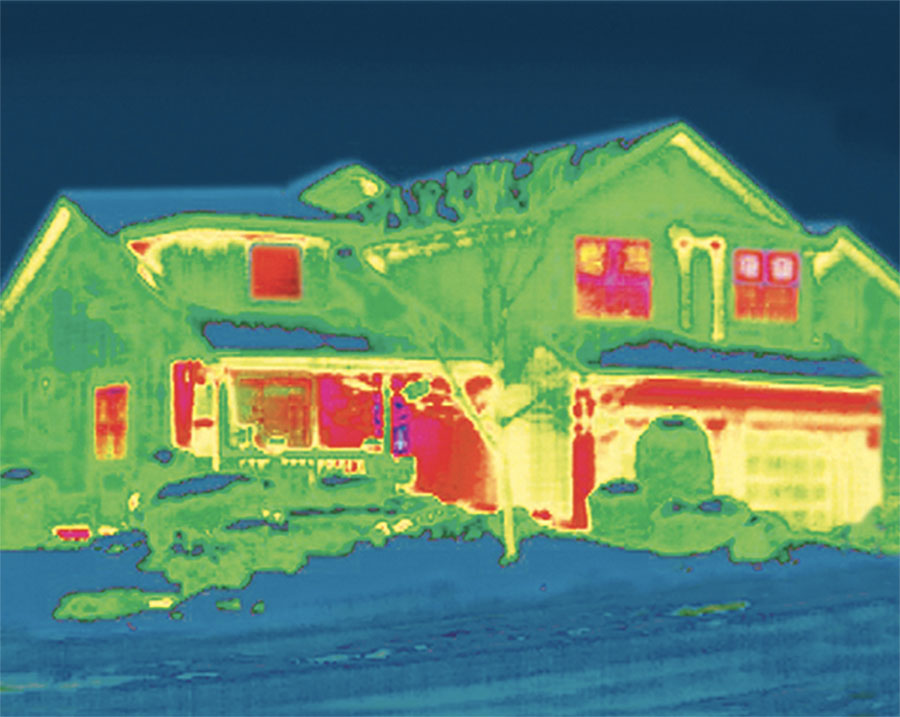
This is why rooms near windows often feel dramatically different from the rest of your home—even when your thermostat says everything is balanced.
Radiation
Radiant heat comes directly from sunlight. When sunlight hits your floors, furniture, or countertops, those surfaces absorb heat and warm the surrounding air. This is why certain areas of your home feel hotter during peak sun hours. Learn more about managing sunlight and reducing glare in your home.
Convection
Convection happens when air moves. Warm air rises and cooler air sinks, creating circulation. At your windows, this movement can pull heat into your home during summer—and allow warm air to escape during cooler months.
Conduction
Conduction is heat moving through solid materials, like glass. On hot days, your windows absorb heat and transfer it indoors. Without a barrier, that heat continues to build inside your home.
The result? Rooms that feel too warm, uncomfortable glare, and a home that’s harder to keep at a consistent temperature.
How Window Treatments Reduce Heat Transfer
Energy saving shades work by interrupting these heat transfer processes at the window—before they impact your home.
- Reflect sunlight: Reduce radiant heat before it enters the room
- Block direct exposure: Prevent surfaces from heating up
- Create insulation: Trap air to slow heat movement through glass
- Control timing: Adjust throughout the day for better efficiency
Instead of reacting to rising temperatures, the right window treatments help you stay ahead of the heat—keeping your home more comfortable and reducing the strain on your HVAC system. You can also explore additional ways to keep your home cool during warmer months.
Now, compare that to what happens when the right window treatments are in place.
In this side-by-side infrared image, the uncovered window appears red—showing active heat transfer. The covered window appears green, demonstrating how energy saving shades reduce heat gain and improve insulation.
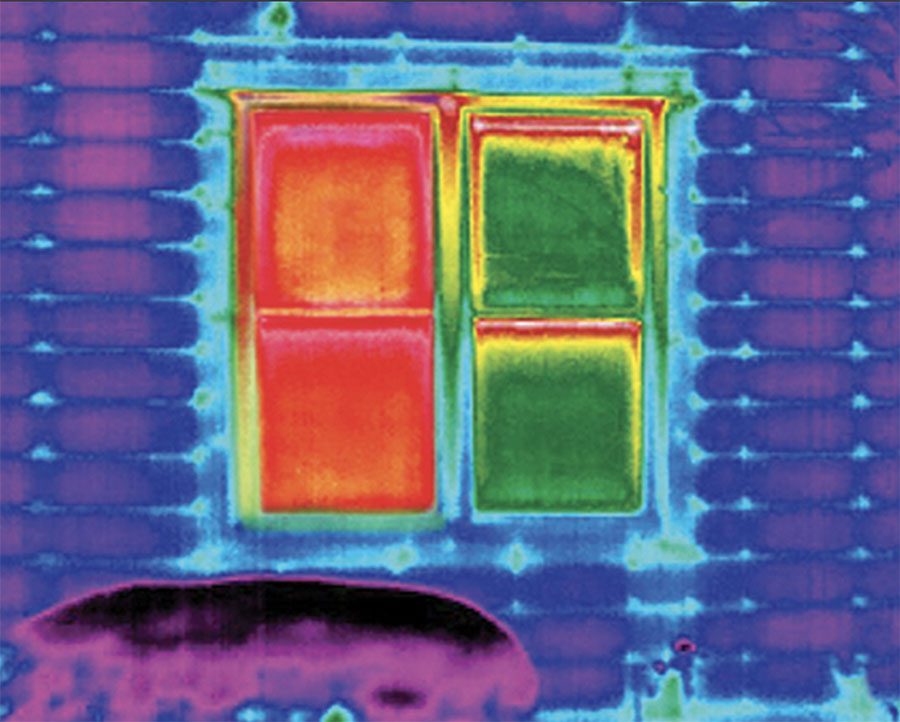
By creating a barrier at the window, the right shades can dramatically improve comfort, reduce glare, and help stabilize indoor temperatures throughout the day while also offering protection from UV rays.
Types of Energy Saving Window Treatments
Different window treatments reduce heat and energy loss in different ways. The right option depends on your windows, sun exposure, and how you use each space in your home.
Cellular (Honeycomb) Shades
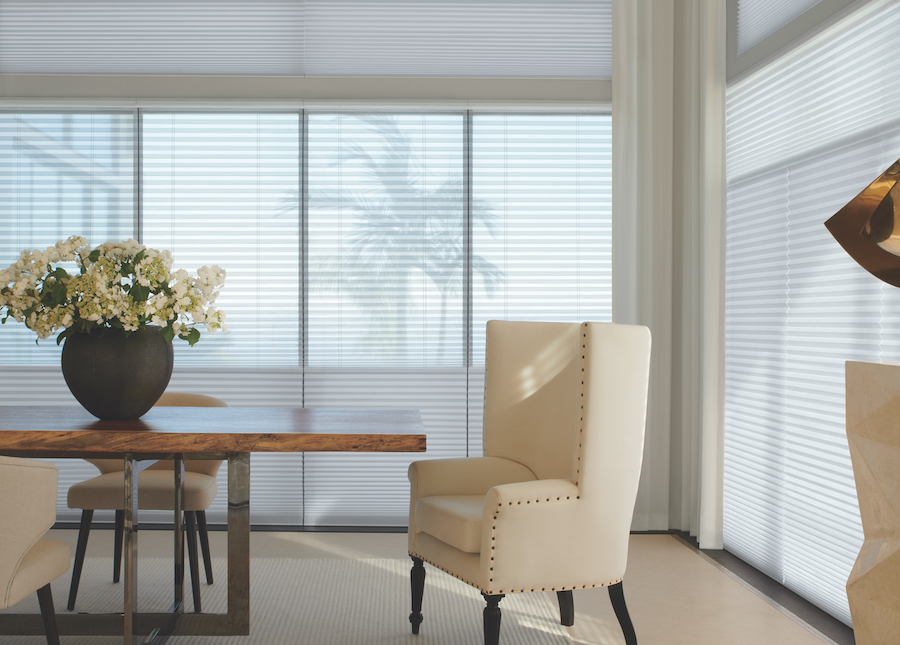
Cellular shades are designed with pockets that trap air, helping to insulate your windows. This added layer reduces heat transfer, keeping your home cooler in summer and warmer in winter.
Roman Shades
With soft, layered fabrics, Roman shades help block sunlight and reduce heat entering the room. Fabric choice plays a key role in how much light and heat is filtered or blocked.
Cellular Roller Shades
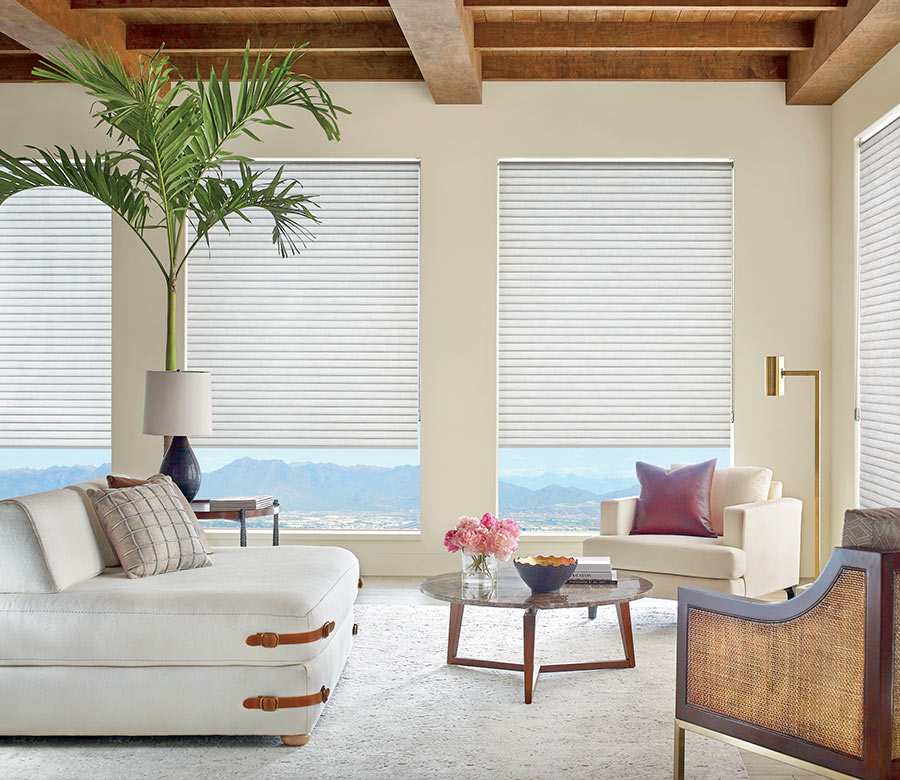
Combining the insulating benefits of cellular construction with the clean look of roller shades, these offer both energy efficiency and modern design.
Drapery Panels
Custom drapery can add an additional barrier at the window. Heavier fabrics and liners can help reduce heat gain, especially when paired with other window treatments.
Sheer & Light Filtering Shades
These shades soften incoming sunlight and reduce glare. While they don’t provide full insulation, they help manage radiant heat and improve comfort throughout the day.
Choosing the Right Solution for Your Home
While many window treatments can improve comfort, the most effective solution depends on your specific windows, layout, and lifestyle.
For a complete breakdown of options and expert recommendations, explore our window treatment solutions for better energy efficiency.
