


Room Darkening & Blackout Window Treatments
Light control for better sleep, reduced glare, and all-day comfort. Room darkening and blackout window treatments allow you to create the ideal environment, no matter the time of day. Whether you’re blocking intense sunshine, creating a dark bedroom for restful sleep, reducing glare in a home office, or setting the scene for movie night, our team at California Window Fashions can help you find the right window solution for your home.
 Start a Project
 Our Work | Designer Roller Shades
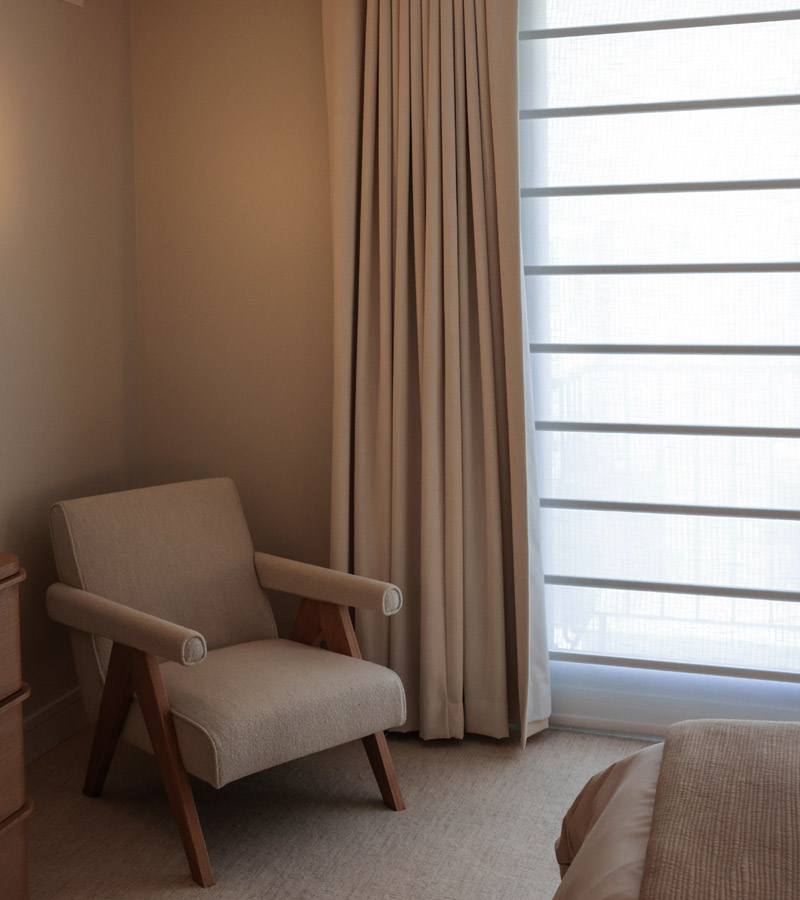
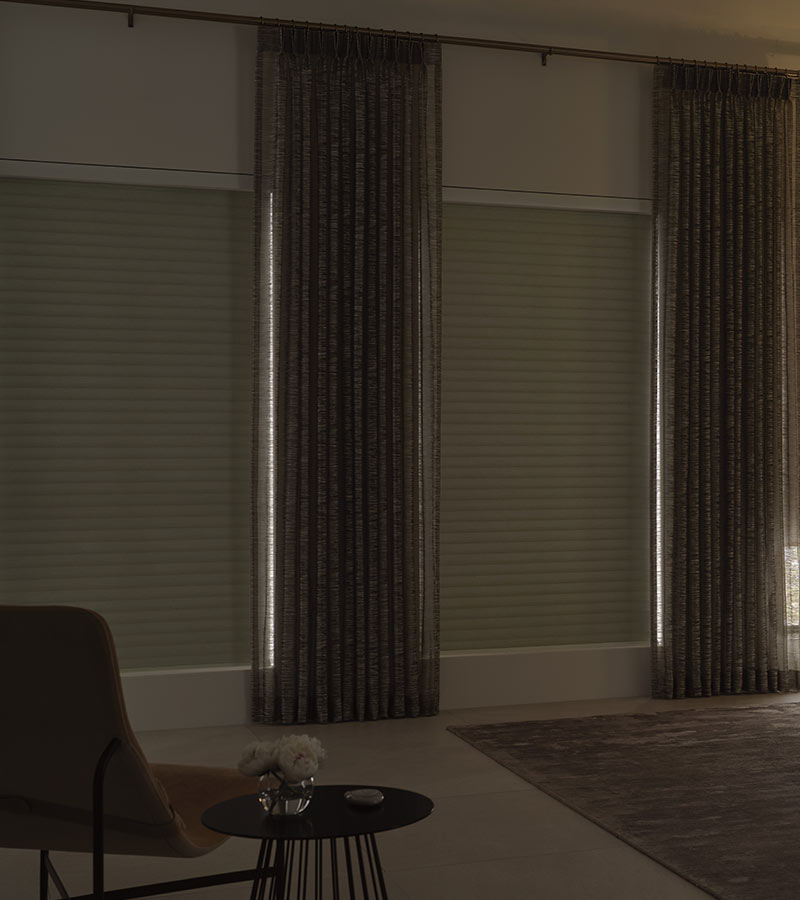


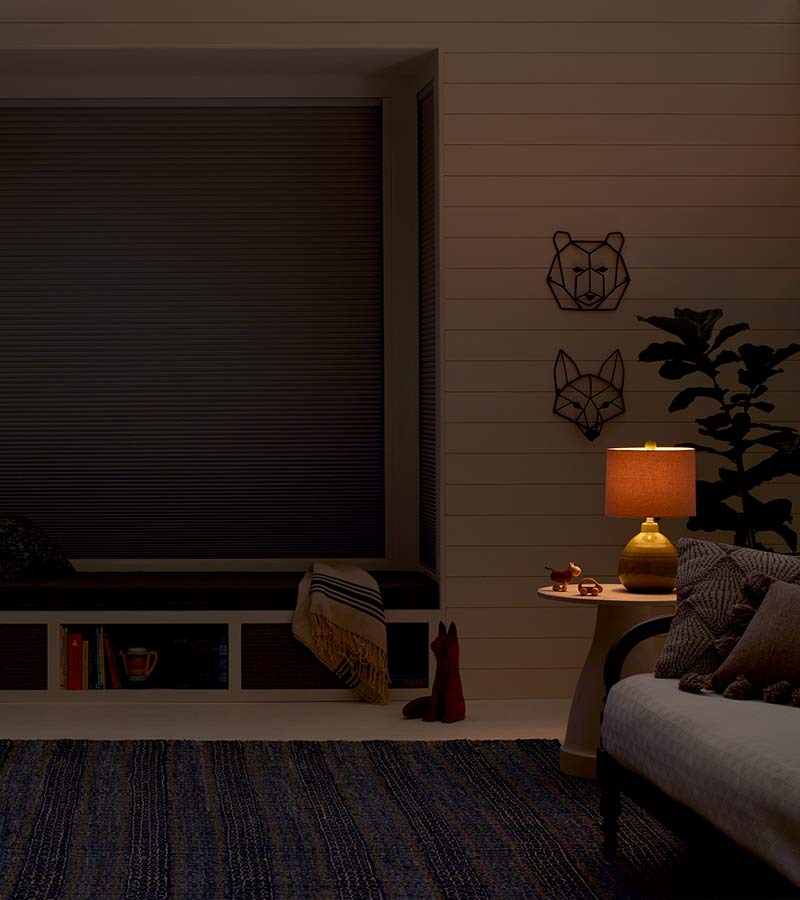


How Much Light Control Do You Need?
Not every room requires complete darkness. Some homeowners simply want to reduce glare and soften sunlight, while others need a truly dark environment for sleeping, movie watching, or shift-work schedules.
- Room Darkening: Blocks most incoming light while maintaining a comfortable atmosphere. Ideal for living rooms, home offices, guest rooms, and many bedrooms.
- Blackout: Designed to eliminate as much incoming light as possible. Perfect for nurseries, media rooms, light-sensitive sleepers, and rooms with intense sun exposure.
Whether you’re blocking the California sunshine, reducing nighttime distractions, or creating the perfect movie-night atmosphere, we’ll help you find the right balance of light control, privacy, and comfort.
Where Room Darkening Window Treatments Make the Biggest Difference
Room darkening and blackout window treatments are especially popular in bedrooms, nurseries, media rooms, and guest rooms where controlling light can improve comfort and privacy. They can also make a dramatic difference in home offices, helping reduce screen glare during the day.
Another common challenge in Northern California is managing rooms that receive intense direct sunlight. Large south-facing and west-facing windows can create uncomfortable glare, excessive heat, and fading on floors, furniture, and artwork. The right room darkening shades help soften harsh sunlight, reduce distractions, and create a more comfortable atmosphere without sacrificing style.
Features That Improve Room Darkening
- Room darkening and blackout fabric options
- Light-gap reducing designs
- LightLock™ blackout technology
- Dual shades for day-to-night flexibility
- Motorized control and scheduling



Understanding Your Light Control Options
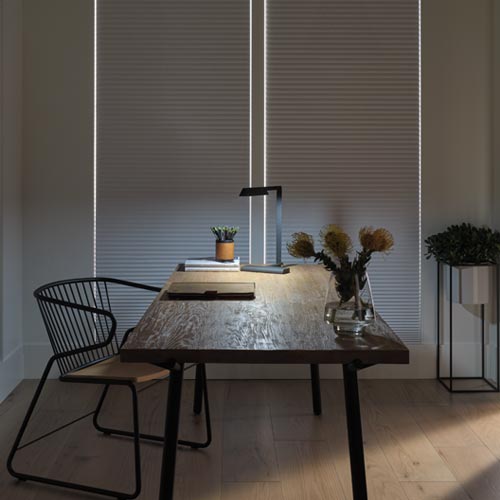
Room Darkening vs Blackout
It’s one of the most common questions we hear: Which is better, room darkening or blackout? The answer depends on how you use the space.
Room darkening window treatments block most incoming light, creating a comfortable environment for sleeping, relaxing, or reducing glare. Blackout shades take light control a step further, minimizing light intrusion for spaces where maximum darkness is important.
Factors such as fabric selection, window construction, installation method, and specialized features can all affect the level of darkness you experience.
Focus on the Function
Most homeowners find themselves happy with room darkening shades. They help reduce glare, remove distracting nighttime lights, and keep early morning sunshine from interrupting sleep.
However, if you need the room to be extremely dark during the day, blackout solutions may be the better choice. Homeowners who work overnight shifts, suffer from migraines, or use dedicated media rooms often benefit from specialized blackout fabrics and features designed to minimize incoming light.
Not sure which option is right for your home? Our guide to Room Darkening vs Blackout Shades explains the differences in more detail.
What Are Light Gaps?
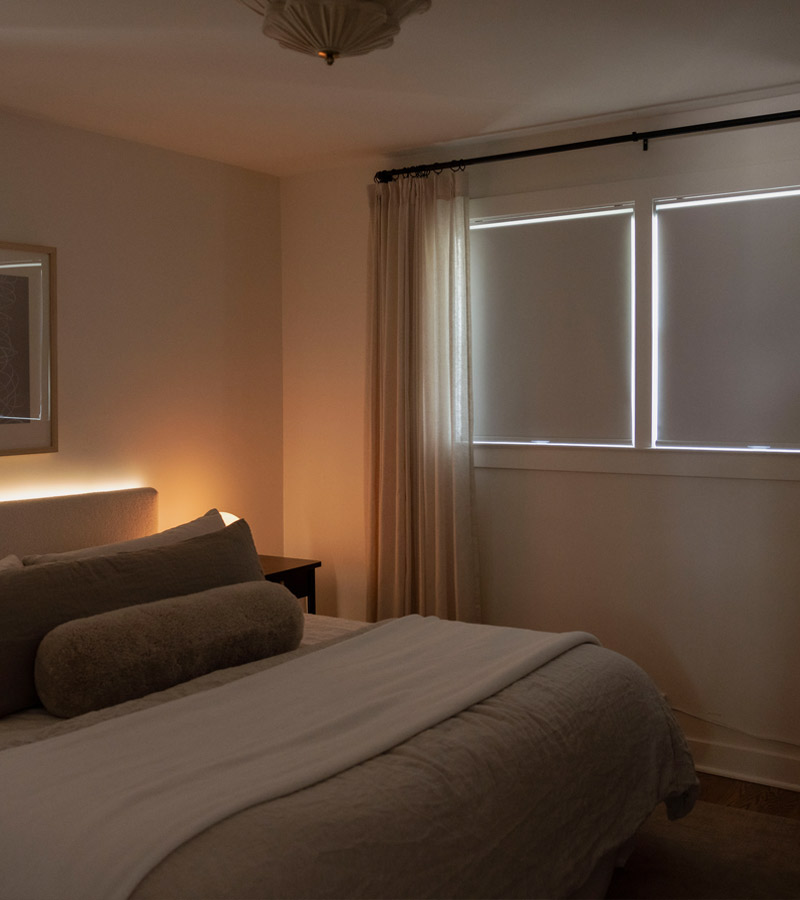
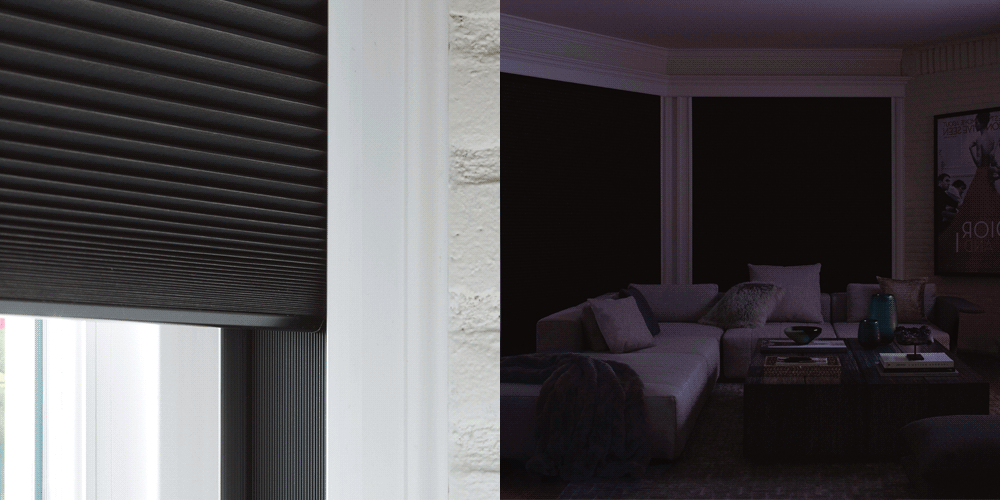
Light gaps can affect how dark a room feels, even when you choose room darkening fabrics. When shades are lowered, you may notice narrow slivers of light appearing along the edges of the window frame. This “halo” effect is completely normal and can be influenced by the type of window treatment, the depth of the window frame, the shape of the opening, and whether the shades are installed as an inside or outside mount.
For many homeowners, these small amounts of light aren’t a concern. But for bedrooms, nurseries, media rooms, or spaces where maximum darkness is important, reducing light gaps can make a significant difference.
How to Reduce Light Gaps
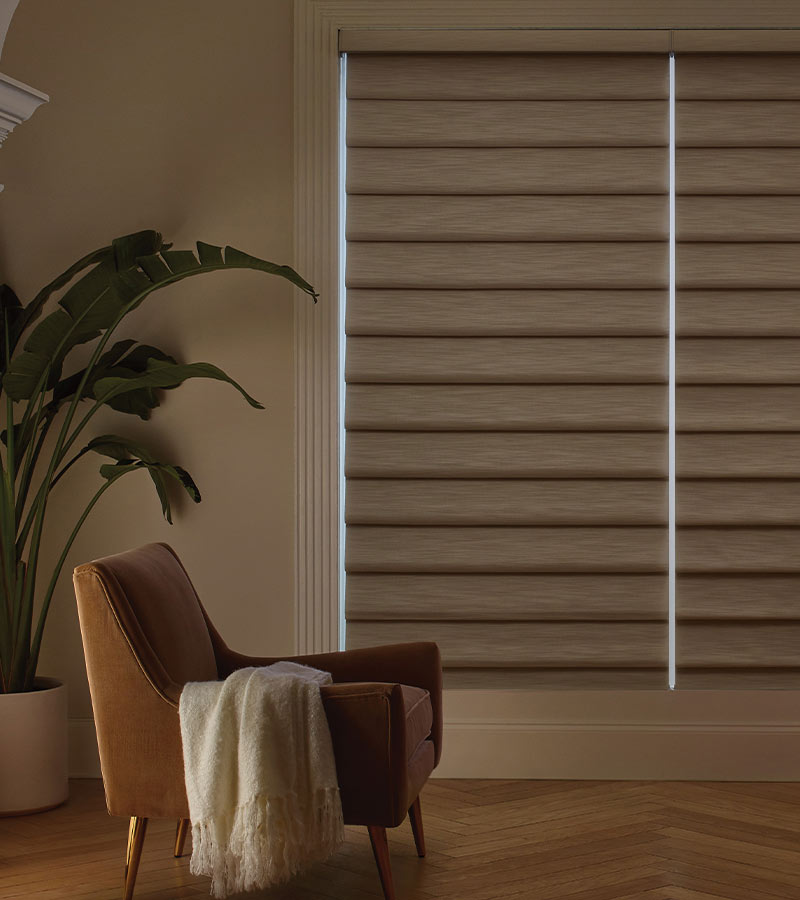
One of the most effective solutions is LightLock™, an innovative blackout system. Duette® Honeycomb Shades with LightLock™ use specially designed U-shaped side channels to help seal out incoming light around the edges of the shade.
Another popular option is pairing room darkening shades with custom drapery panels. Side draperies can help block peripheral light while adding softness, style, and additional privacy to the room.

Dual Shades for Flexible Light Control
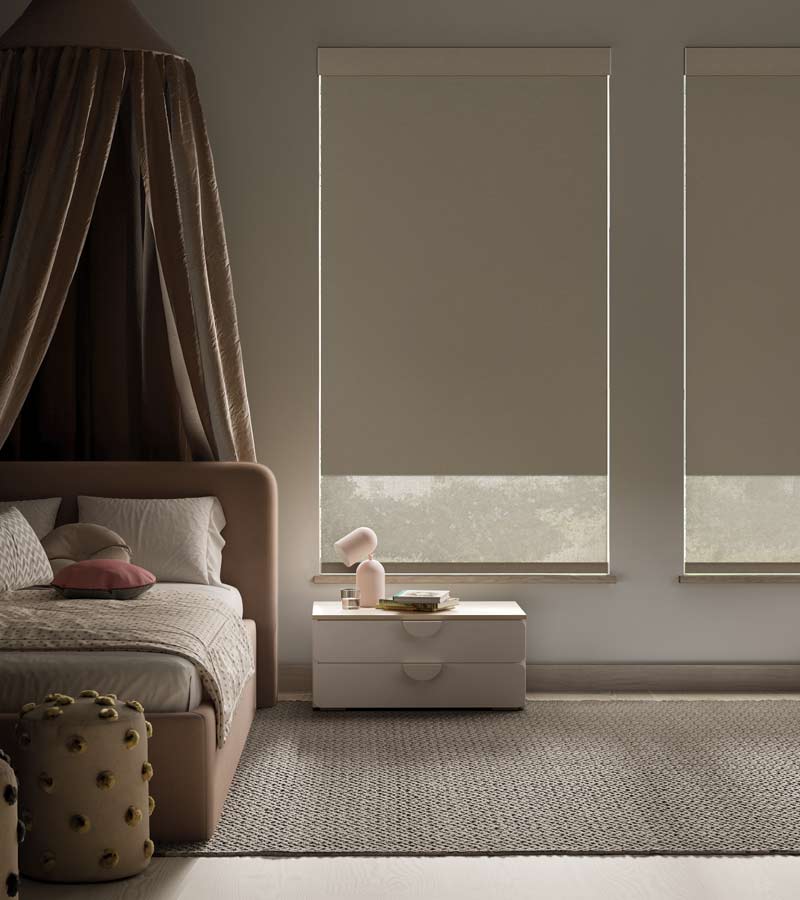
One of the most versatile options available today is the dual shades feature. Designed to combine two levels of light control in a single window treatment, dual shades allow homeowners to enjoy natural light during the day and greater darkness when needed.
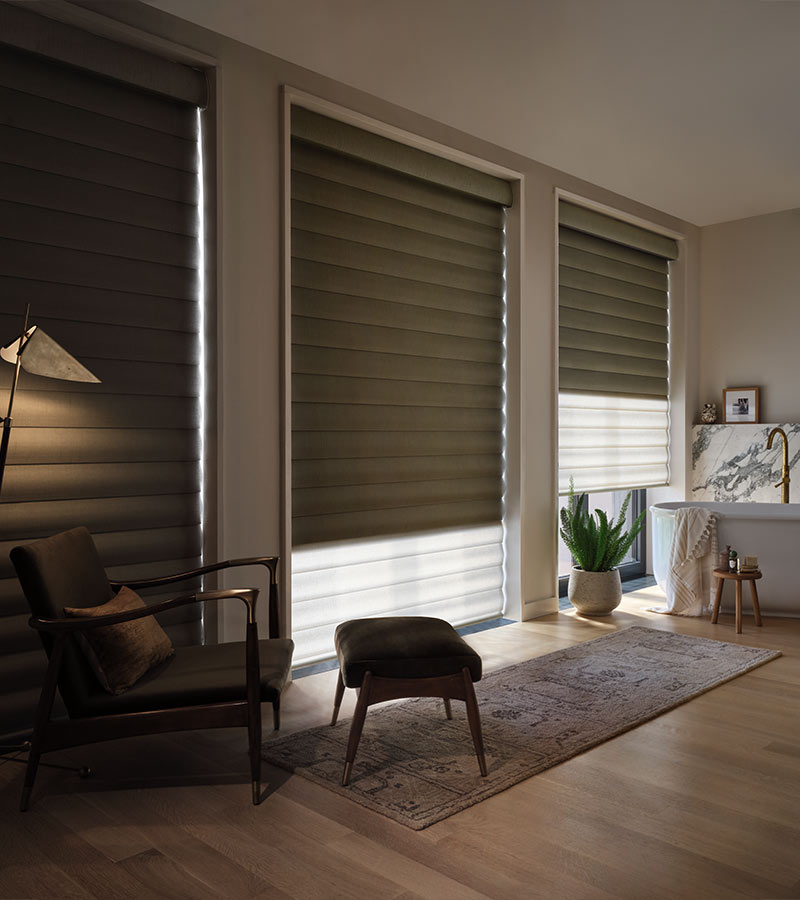
Available in select roller shades, roman shades, and sheer shades, dual shades pair a light-filtering front shade with a secondary room darkening or blackout shade. During the day, the front shade remains in place to soften sunlight, reduce glare, and maintain privacy while preserving outdoor views. When additional light control is needed, the secondary shade lowers into position to create a darker, more private environment.
Dual shades are especially popular in bedrooms, media rooms, and rooms with intense sun exposure because they provide the flexibility to adjust your atmosphere throughout the day without sacrificing style or functionality.
Room Darkening Shades, Blinds, Shutters & Drapery
Shades
- Designer Roller Shades
- Designer Solar Shades
- Duette® Honeycomb Shades
- Applause® Honeycomb Shades
- Pirouette® Window Shades
- Provenance® Woven Woods Shades
- Sonnette® Shades
- Designer Banded Shades
- Vignette® Modern Roman Shades
- Silhouette® Shades with Duolite®
- Nantucket™ Shades with Duolite®
Blinds


Frequently Asked Questions About Room Darkening & Blackout Window Treatments
What is the difference between room darkening and blackout shades?
Room darkening window treatments block most incoming light and create a comfortable atmosphere for sleeping, relaxing, and reducing glare. Blackout shades are designed to minimize light intrusion as much as possible, making them ideal for bedrooms, nurseries, and media rooms.
Can blackout shades completely block sunlight?
Some blackout systems can achieve near-total darkness when paired with specialized features that reduce light gaps. Products such as Duette® Honeycomb Shades with LightLock™ are designed to provide one of the highest levels of light control available.
What are light gaps?
Light gaps are small slivers of light that can appear around the edges of a shade. They are influenced by the window frame, mounting style, and type of window treatment. Certain blackout features and drapery solutions can help reduce them.
Are dual shades good for bedrooms?
Yes. Dual shades combine a light-filtering front shade with a secondary room darkening or blackout shade, allowing you to enjoy natural light during the day and greater darkness at night.
Which rooms benefit most from room darkening window treatments?
Bedrooms, nurseries, media rooms, guest rooms, and home offices are among the most common spaces for room darkening and blackout window treatments. They can also help reduce glare and improve comfort in rooms with large south-facing or west-facing windows.
Can motorized shades improve room darkening?
Motorized shades don’t make a window treatment darker, but they do make it easier to maintain the ideal light level throughout the day. Automated schedules can close shades before bedtime, reduce afternoon glare, and improve comfort without requiring manual adjustments.